
Origins of Double Dutch
JUMP LDN is promoting a street sport with a long history behind it.
We aim to provide some knowledge about the lost element of Hip Hop and how communities have embraced it across the globe.
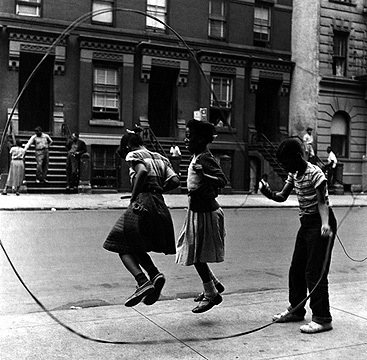
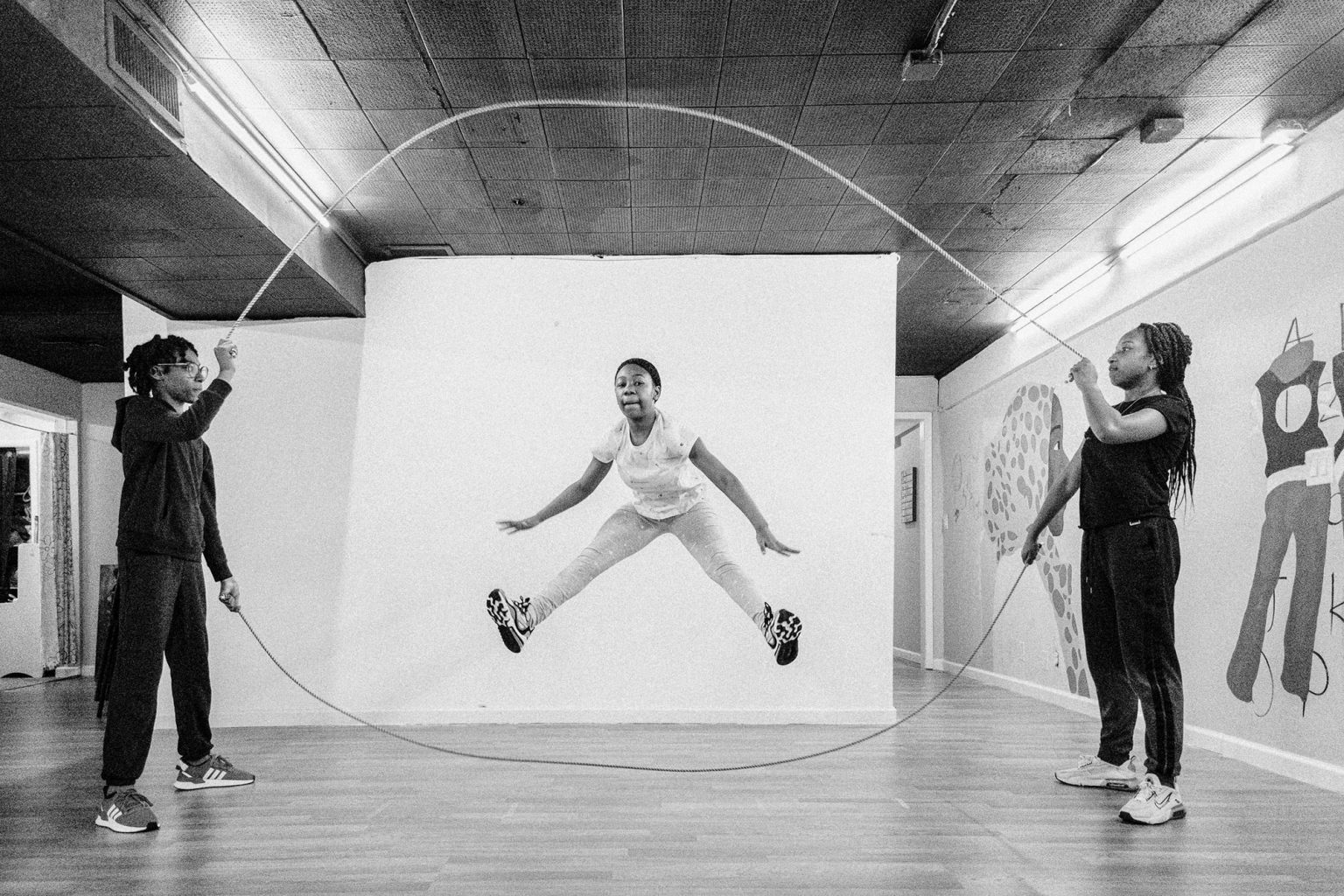
There is a lot of general knowledge on-line about skipping and what is clear is jumping rope has been practiced for centuries around the whole world.
The first skilled rope makers emerged from Ancient Egypt and early China – a game called Hundred Rope is documented – and was an activity enjoyed during Chinese New Year Festival.
The Greeks are also recorded as jumping a pole in the early days of their civilization, however modern rope skipping can be said to have originated in the Netherlands.
Dutch settlers based in New York in the 17th century, were said to be America’s first jump-ropers.
As children jumped outside of their houses they accompanied their jumping games with various songs. The songs were in Dutch, which couldn’t be understood by the French or the English so they starting calling it “Double Dutch”.
The name was initially a derogatory term because anything associated with Dutch culture was considered absurd and inferior to the English.
In the ’40s and ’50s, jumping rope was popular in the American inner city and children would head to the sidewalks with their mothers’ clothes lines, if possible still wet from laundry, so that the ropes would be heavy enough to hit the ground just right.
By the late 1950s, Double Dutch nearly became extinct as it was overshadowed by the popularity of television and radio among youths.
Key players
In 1973, David A. Walker, then a New York City Police Community Affairs Detective, joined by his partner Detective Ulysses Williams, developed the street game of Double Dutch into the World Class Sport that it is today.
With the assistance of the physical education instructors, Walker and Williams revitalized the game by developing it into a competitive team sport.
(Image) Detective Ulysses Williams – 1st Double Dutch Clinic for Mobil Oil 1975

Williams used Double Dutch in his youth outreach programme named “Rope, not Dope” as a focus to keep girls away from the destructive temptations of the inner city. He started to see the positive impact Double Dutch had on his community.
The amount of organised Double Dutch teams increased during the 1980s, until New York City alone had fifteen hundred jumpers. Before long, Walker created the American Double Dutch League (ADDL).

In the 1980s New York introduced DJing, Rap, Breaking, Graffiti and Double Dutch as elements of hip hop street culture and community spirit.
In 1982 New York Rap City Tour came to Europe to spread these elements of Hip Hop culture and was embraced by its inhabitants. Part of the tour included a 4 piece Double Dutch crew called Fantastic Four.
The UK first was introduced to Double Dutch through Michael Mclarens UK hit single where he featured another New York based Double Dutch team entitled the “Ebonettes”.
It was at its peak that Double Dutch began disappearing from hip-hop. In March of 1983 Freddy and his partner Charlie Ahearn released Wild Style, a definitive hip-hop movie. This was the official introduction of hip-hop for the entire world to see and not just as an idea, but an active and thriving culture. In the movie’s world of DJs, MCs, breakers, and graffiti artists, the Double Dutch girls were nowhere to be found.
From there, the separation continued, The Fantastic Four went off to college the same year Wild Style was released and no one took their place in the scene. As hip-hop grew more commercialised, Double Dutch faded out of the spotlight.
McDonalds who had sponsored the ADDL tournaments locally and nationally had provided financial support for these events and helped Double Dutch gain a wider audience. However in the 1990s McDonalds severed its ties with the ADDL and collapsed the network of rope-jumping leagues in America. The ADDL continued but struggled as it carried on without McDonalds’ strength and resources. Membership declined and tournaments were few and far between however in recent times Double Dutch has begun to increase its profile again.
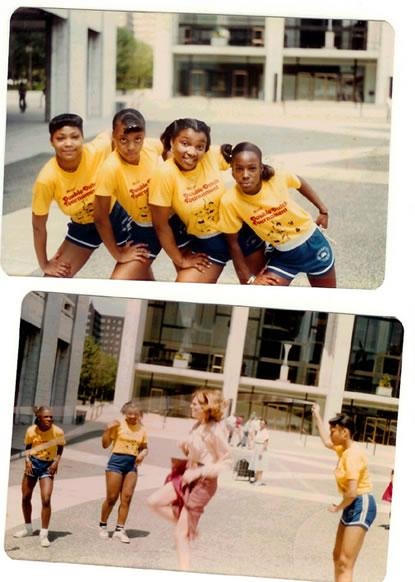
Nowadays France, U.S.A and Japan are leaders of Double Dutch and in the competitive world, where creativity, speed and jaw dropping acrobatic & dance freestyle routines are exciting ways for participants to achieve a high level at this unique sport.
There are thousands of jumpers worldwide, a legacy that both Walker & Williams and the Rap City Tour in the 1980s created.
Double Dutch continues to grow around the world and is proven to be an amazing resource for youth and community work.
Thanks to:
http://www.fisac-irsf.org
http://www.nationaldoubledutchleague.com/Archives.htm
www.vice.com
